
Restore Your Smile with Dental Crowns in Tuckerton, NJ
Your smile is one of your greatest assets. But when a tooth is damaged, weakened, or cosmetically flawed, it can impact your confidence and oral health. At Tuckerton Dental, our Tuckerton, NJ dentist, Dr. Ronald Petrosky offers dental crowns as a reliable, long-lasting solution that restores both function and beauty. Dr. Petrosky and our skilled team helps patients in Tuckerton, Barnegat, Stafford Township, and the surrounding areas regain their smiles with high-quality crowns tailored to their needs.
If you’re dealing with a cracked tooth, severe decay, or an old, failing dental filling, a dental crown might be the perfect solution. Contact Tuckerton Dental today by calling (609) 296-1007 to schedule your dental crown consultation.
What Is a Dental Crown?
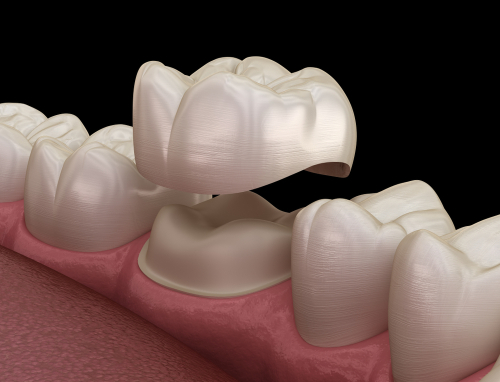 A dental crown is a tooth-shaped cap placed over a damaged or weakened tooth to restore its strength, size, shape, and appearance. It’s a versatile restoration that can:
- Protect a cracked or worn-down tooth from further damage
- Restore a tooth with a large filling when there isn’t enough natural tooth left
- Strengthen a tooth after root canal therapy
- Improve the appearance of discolored or misshapen teeth
- Complete a dental implant for a natural look and feel
At Tuckerton Dental, Dr. Petrosky customizes crowns to blend seamlessly with your natural teeth, ensuring durability and an aesthetically pleasing result.
Types of Crowns: Which One Is Right for You?
Not all crowns are the same. The right one depends on your dental needs, preferences, and budget. Here’s a look at the most common types:
Porcelain Crowns
Ideal for front teeth, porcelain crowns mimic the translucency of natural enamel, making them the top choice for a flawless smile.
Porcelain-Fused-to-Metal (PFM) Crowns: The Best of Both Worlds
PFM crowns combine the aesthetics of porcelain with the durability of metal, offering a strong and natural-looking restoration.
Metal Crowns
Made from gold or other alloys, metal crowns are incredibly strong and ideal for molars that endure heavy chewing. Additionally, metal crowns rarely chip, highlighting their durability.
Zirconia Crowns
Zirconia crowns are becoming increasingly popular due to their strength and natural appearance, making them a great choice for both front and back teeth. Monolithic zirconia crowns are known for their durability and resistance to splitting or cracking.
Dr. Petrosky will help you determine the best material for your crown based on your specific needs and aesthetic goals.
Why Patients Choose Tuckerton Dental for Dental Crowns
At Tuckerton Dental, patients consistently choose us for their dental crown needs due to our commitment to comfort, convenience, and technology. Our advanced equipment allows us to provide same-day crowns, ensuring that you can leave our office with a fully restored smile in just one visit. Patients can get a new crown designed and milled during a single appointment. This innovative approach eliminates the need for temporary crowns and multiple appointments, making the experience far more efficient and stress-free.
One satisfied patient, Gina S., shared her experience, saying, “Dr. Petrosky is very friendly and easy-going! I had a crown done today, totally painless, and the best thing about it is it’s all done in one day because he has all the modern equipment in the office, so my crown was made while I was still in the chair. No temporary crown and then come back in 10 days, so everything is done in one visit, which is a big relief if you have other places you would rather be besides the dentist’s office.”
This feedback reflects our dedication to providing a comfortable and streamlined experience, allowing you to receive the care you need without the hassle of multiple appointments. At Tuckerton Dental, we prioritize your time and comfort, making us the ideal choice for dental crowns.
Benefits of Dental Crowns
Dental crowns are more than just cosmetic restorations; they offer a wide range of functional and health benefits, including:
- Restoring Strength & Function – A crown reinforces a weakened tooth, allowing you to eat and speak with ease.
- Protecting Against Further Damage – Crowns prevent cracks, chips, and decay from worsening.
- Long-Lasting Durability – With proper care, dental crowns can last 10-15 years or more.
- Enhancing Appearance – Crowns improve the shape, size, and color of a tooth, creating a more uniform smile.
- Preventing Tooth Loss – By strengthening a damaged tooth, a crown can help prevent the need for an extraction.
- Preventing Issues from Missing Tooth – Crowns can help prevent issues related to a missing tooth, such as a bad bite and potential gum disease.
With Dr. Petrosky’s experience, patients from Tuckerton, West Creek, and Little Egg Harbor enjoy long-lasting, high-quality dental crowns that restore both function and beauty.
Who’s a Candidate for Dental Crowns?
 A dental crown might be the right solution for you if you have:
- A tooth that is severely decayed or weakened
- A large filling with little natural tooth structure remaining
- A fractured or cracked tooth
- Undergone root canal therapy and need to protect the tooth
- A dental implant that needs a natural-looking restoration
- Misshapen or severely discolored teeth that affect your confidence
- A child with primary teeth that need restoration, where a pediatric dentist might recommend a stainless steel crown
Not sure if a crown is right for you? Contact Dr. Petrosky at Tuckerton Dental by calling (609) 296-1007 and he will assess your oral health and recommend the best treatment to restore your smile.
The Dental Crown Procedure at Tuckerton Dental
At Tuckerton Dental, we believe in providing a seamless and efficient dental crown process that allows patients to receive their crowns in just one visit. Here’s how it works:
- Initial Consultation: Your appointment begins with a thorough examination and consultation with Dr. Petrosky. He will assess the condition of your tooth and discuss your treatment options, ensuring you feel informed and comfortable every step of the way.
- Preparation of the Tooth: Once we determine that a dental crown is the best solution, we will prepare the affected tooth. This involves gently reshaping the tooth to make room for the crown, ensuring a perfect fit. We’ll also take digital impressions to create an accurate model of your tooth.
- Creating Your Crown: Using advanced technology, we can design and manufacture your custom crown right here in our office. This equipment allows us to produce a high-quality crown while you relax in the chair, significantly reducing your wait time.
- Crown Placement: Once your permanent crown is ready, we will check the fit and color to ensure it matches your natural teeth. Dr. Petrosky will then securely place the crown on your prepared tooth, ensuring it feels comfortable and looks seamless.
- Final Adjustments: After placing the crown, we will make any necessary adjustments to ensure your bite is perfect and that you feel completely satisfied with the result.
Caring for Your Temporary Crown
A crown is an investment in your smile, and with the right care, it will serve you well for years. Follow these tips:
- Brush with fluoride toothpaste and floss daily to prevent plaque buildup around the crown.
- Avoid chewing ice or hard candy that could damage the crown.
- Visit Tuckerton Dental for regular checkups to ensure your crown stays in top shape and keep your teeth healthy.
The Cost of Dental Crowns in Tuckerton, NJ
The cost of a dental crown can vary based on factors such as:
- The material used (porcelain, zirconia, metal, etc.)
- The complexity of the procedure
- Whether additional treatments like root canals are needed
- Dental insurance coverage
On average, dental crowns range from $800 to $2,500 per tooth. Many insurance plans cover a portion of the cost, especially if the crown is needed for restorative purposes.
At Tuckerton Dental, we work with patients from Tuckerton, West Creek, and Little Egg Harbor to make high-quality dental care affordable. Our team can help you explore insurance benefits and flexible payment options.
Frequently Asked Questions
Generally, dental crowns can last anywhere from five to 15 years or even longer with proper care. The lifespan of your dental crown will depend on various factors such as the material used, oral hygiene routine, and the amount of wear and tear the crown is subjected to. Porcelain and ceramic crowns tend to have a longer lifespan than metal or resin-based crowns.
Getting a dental crown should not be painful as the procedure is usually performed with a local anesthetic. Some patients may experience some discomfort or sensitivity during or after the procedure. Your dentist can prescribe pain medication or recommend over-the-counter pain relievers to manage discomfort.
Generally, it takes two dental visits to complete the dental crown placement process. The time it takes to place a dental crown on a tooth can vary depending on the specific case and the dentist’s technique. Your dentist will provide a treatment timeline at your initial consultation.
Achieve a More Functional Smile with Dental Crowns in Tuckerton, NJ
Don’t let a damaged tooth hold you back any longer. Dental crowns offer a practical solution to restore not only the function of your teeth but also your confidence. At Tuckerton Dental, Dr. Ronald Petrosky and our dedicated team are committed to providing personalized care and high-quality crowns tailored to your unique needs.
By choosing dental crowns, you’re investing in a stronger, healthier smile that can last for years to come.Take control of your oral health and enhance your smile today! Contact Dr. Ron Petrosky by calling (609) 296-1007 to schedule your consultation and discover how dental crowns can transform your smile and improve your quality of life.