
Restore Your Smile with Dental Implants
Dental implants are one of the best solutions for replacing missing teeth, offering a permanent, natural-looking result. Whether you’re missing one tooth or an entire arch, dental implants can restore your smile, improve oral health, and boost your confidence. At Tuckerton Dental, our Tuckerton, NJ dentist, Dr. Ronald Petrosky offers a variety of dental implant treatments to help patients in Tuckerton, NJ, and the surrounding areas like Little Egg Harbor and Manahawkin regain their smiles.
If you’re in need of a dental implant, contact Tuckerton Dental today by calling (609) 296-1007.
The Structure of a Dental Implant
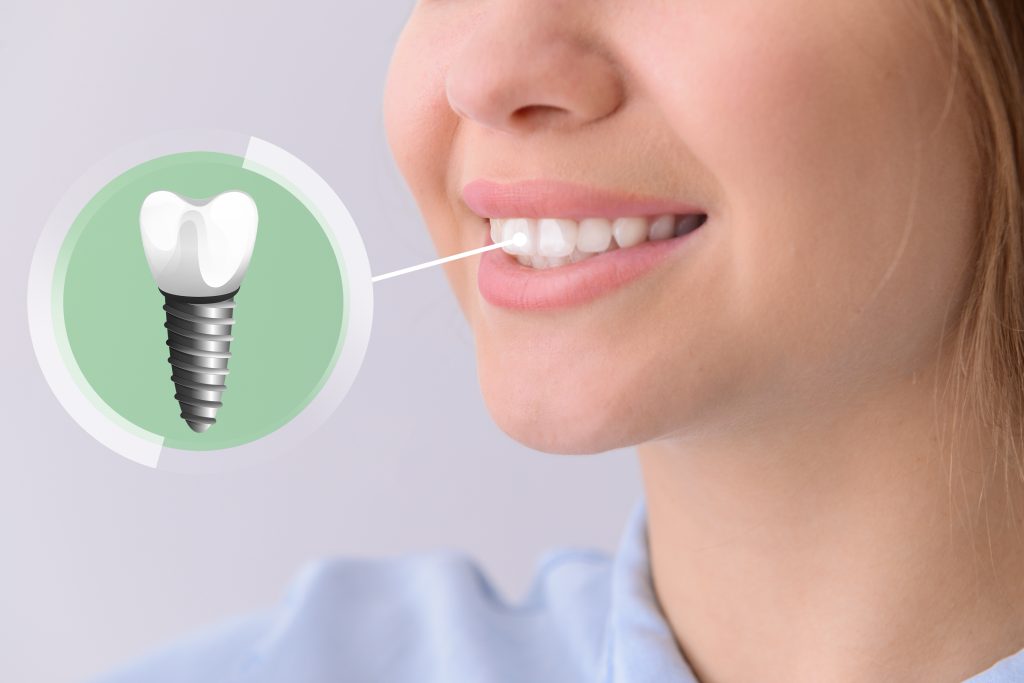
Dental implants are made of three main components that work together to provide a secure, long-term replacement for missing teeth:
- The Implant Post: This is the titanium screw that’s surgically placed into your jawbone. It acts as a sturdy root for the artificial tooth.
- The Abutment: This is the connector that attaches to the implant post and holds the artificial tooth (crown) securely in place.
- The Crown: The crown is the custom-made artificial tooth that matches the shape, color, and size of your natural teeth.
Each part plays an important role in creating a strong, reliable solution for missing teeth.
Expertise You Can Trust: Dr. Ronald Petrosky’s Impressive Credentials
When it comes to dental implants, you deserve care from a dentist with proven skill and knowledge. Dr. Petrosky brings unmatched qualifications and experience to every procedure. His extensive training and accolades in implant dentistry set him apart as a trusted professional in Tuckerton, NJ, and nearby areas like Barnegat, Manahawkin, and Little Egg Harbor Township.
Dr. Petrosky is proud to hold the following distinctions:
- Board Certified Diplomate & Fellow of the International Congress of Oral Implantologists (ICOI): A prestigious honor recognizing excellence in implantology.
- Master & Fellow of the American Academy of Implant Prosthodontics (AAIP): Demonstrating advanced knowledge and skill in implant-supported restorations.
- Fellow of the Misch International Implant Institute: A testament to his comprehensive training in implant dentistry’s surgical and restorative aspects.
- Associate Fellow of the American Academy of Implant Dentistry (AAID): Highlighting his commitment to providing the highest standards of care.
These credentials reflect Dr. Petrosky’s dedication to staying at the forefront of dental implant technology and techniques. Patients at Tuckerton Dental benefit from his meticulous approach and passion for delivering exceptional results. With his guidance, you can feel confident that your smile is in the best hands.
Benefits of Dental Implants
Dental implants offer several advantages compared to traditional tooth replacement options like dentures or bridges:
- Natural Appearance: Implants look, feel, and function just like your natural teeth. They are customized to blend seamlessly with your other teeth.
- Long-lasting: With proper care, dental implants can last a lifetime, making them a long-term investment in your oral health.
- Improved Comfort: Because they fuse to your jawbone, implants are comfortable and stable, unlike removable dentures that can shift around.
- Bone Health: Implants stimulate the jawbone, preventing bone loss that often occurs after a tooth is lost.
- No Impact on Nearby Teeth: Unlike dental bridges, implants don’t require altering your adjacent teeth to provide support.
Types of Dental Implants
At Tuckerton Dental, Dr. Ronald Petrosky offers a range of implant options to meet your unique needs:
Endosteal Dental Implants
Endosteal implants are the most common type of dental implant. These implants are inserted directly into the jawbone and are ideal for patients with enough bone density to support them. After osseointegration, the implant becomes a sturdy foundation for the crown, bridge, or denture.
Single-Tooth Dental Implants
If you’re missing just one tooth, a single-tooth implant is an excellent option. This involves placing a titanium implant post into the jawbone, which serves as the base for a custom-made crown. It provides a permanent and natural-looking solution for a lost tooth, ensuring it functions just like your natural teeth.
All-on-Four Dental Implants
The All-on-Four technique is designed for patients who need to replace a full arch of teeth. By placing four implants in strategic locations, Dr. Petrosky can secure a full set of prosthetic teeth, restoring your smile in just one day. This method is ideal for those with lower bone density, as it requires fewer implant posts.
Implant-Supported Bridges
For patients missing several teeth, implant-supported bridges are an excellent solution. Rather than placing an implant for each missing tooth, this method uses implants to support a bridge of two or more teeth. It’s a cost-effective way to replace multiple teeth while maintaining stability.
Implant-Supported Dentures
Traditional dentures can slip, shift, and require messy adhesives. Implant-supported dentures provide a more secure fit by anchoring the denture to dental implants in the jaw. This not only improves stability but also helps preserve the jawbone by providing the necessary stimulation to maintain its structure.
Mini Dental Implants
Mini dental implants are a smaller version of traditional implants, often used to replace a single tooth or to stabilize dentures. They’re less invasive and cost-effective, with a shorter healing time. However, they may not be suitable for patients with significant bone loss.
Immediate-Load “Same Day” Dental Implants
For those who want immediate results, immediate-load implants (also known as “same-day” implants) allow for the placement of both the implant and the prosthetic tooth in just one visit. This means you can leave the office with a fully functional tooth on the same day as your procedure.
Zygomatic Dental Implants
Zygomatic implants are used for patients who lack sufficient jawbone density to support traditional implants. These implants are anchored in the cheekbone (zygoma) instead of the jawbone. Although still in use, zygomatic implants are less common and are not offered by Dr. Petrosky at Tuckerton Dental.
Subperiosteal Dental Implants
Subperiosteal implants sit on top of the jawbone but beneath the gum tissue. These are rarely used today due to advancements in dental technology and the success of endosteal implants.
What’s the Best Implant Treatment Option for You?
Choosing the right dental implant treatment depends on factors like the number of teeth missing, jawbone health, and your overall goals. Dr. Petrosky will guide you through your options, whether you need a single tooth replaced or a full arch restoration. He’ll develop a personalized treatment plan to ensure the best results for your smile.
Are You a Candidate for Dental Implants?
If you are in good health and have enough jawbone to support an implant, you’re likely a good candidate. Even if you’ve experienced bone loss, treatments like bone grafting can often make implants possible. Dr. Petrosky will evaluate your situation and recommend the best course of action.
Frequently Asked Questions
Yes, a missing tooth needs to be replaced as soon as possible. By not reversing tooth loss, you may experience:
- Shifting of the surrounding teeth: When you experience tooth loss, the surrounding teeth may shift to fill the gap. Shifting teeth can lead to misalignment and bite problems.
- Bone loss: The jawbone needs stimulation from the roots of the teeth to maintain its density. When a tooth is missing, the jawbone may shrink, leading to bone loss.
- Increased risk of periodontal disease: Missing teeth can create space for bacteria to accumulate, increasing your risk of gum disease.
- Difficulty speaking and eating: Missing teeth can make it difficult to speak clearly and chew food properly.
A few different types of dental professionals can place dental implants, including:
- An Oral and Maxillofacial Surgeon: Dental professionals who have completed additional training and education in the surgical placement of dental implants. They have the most extensive training and experience in implant placement and are often considered the most qualified to place them.
- A Periodontist: Specializes in the treatment of periodontal disease and placing dental implants. They have completed additional training in implant placement and have a good understanding of the underlying bone and tissue structure.
- A Prosthodontist: Specializes in the replacement of missing teeth and the restoration of natural teeth. They’re also qualified to place dental implants.
- A General Dentist: They’ve completed training in implant placement and are qualified to place them.
Certifications and qualifications vary based on the country, state, or region. Some states or countries may have different laws and regulations regarding who’s qualified to place dental implants.
On average, dental implants can last for between 20 years and a lifetime. To increase the long-term success of your dental implant, maintain excellent at-home dental care and schedule regular dental visits for checkups and cleanings.
Enhance Your Smile with Dental Implants at Tuckerton Dental
Dental implants are a life-changing solution for missing teeth. With options ranging from single-tooth implants to full-arch restorations, Dr. Petrosky and our team at Tuckerton Dental are here to help you regain a confident smile. Serving Tuckerton, Little Egg Harbor, Barnegat, Manahawkin, Beach Haven and the surrounding areas like Barnegat and Little Egg Harbor, Dr. Petrosky provides quality care and personalized solutions for every patient.
Ready to explore your options? Contact Tuckerton Dental today by calling (609) 296-1007 to schedule your consultation!